

· AFX Research, LLC
How a Property Gets a New Legal Description, and Why It Matters
The ground stays where it is and the words describing it change. What causes a new description, what records it, and why the old one stops reaching the parcel.
A legal description is not a permanent label attached to a piece of ground. It is a set of words in a document, and those words get rewritten whenever somebody divides, combines or replats the land. The parcel does not move. The description does, and a search run on the wrong version of it reaches ground that is no longer the ground you asked about. This is the moving part inside how land is identified in the record.
Why a description changes
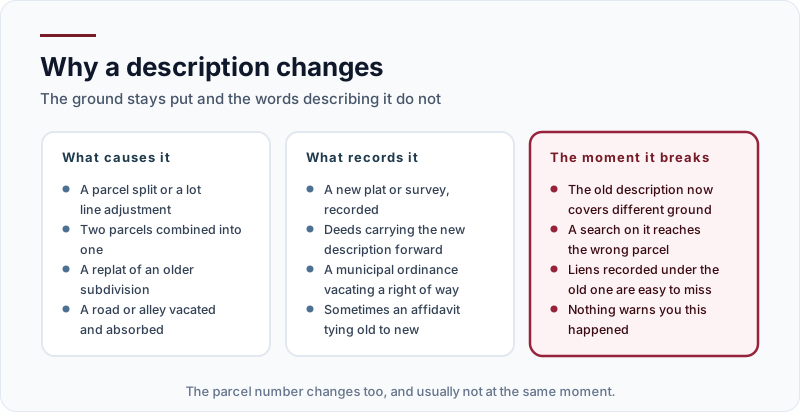
Four events account for nearly all of it. A parcel split or a lot line adjustment, which creates at least two descriptions where there was one. A combination, where two parcels merge and the resulting description is new even though nothing physical changed. A replat of an older subdivision, which can rewrite descriptions across dozens of lots at once. And a vacation, where a road or alley is abandoned by the municipality and the ground is absorbed into the adjoining lots.
Each of those should record something. A new plat or survey. Deeds carrying the new description forward. An ordinance vacating the right of way, usually with an exhibit. Sometimes an affidavit tying the old description to the new one, which is the most useful document in the set and the least commonly filed.
The moment it breaks is quiet. After the change, the old description covers different ground, or no ground, or part of somebody else’s. A search run on it returns an accurate answer about the wrong land. Liens that were recorded under the old description before the change are easy to miss entirely, and nothing in the index warns anybody that this happened.
Tracing it backward
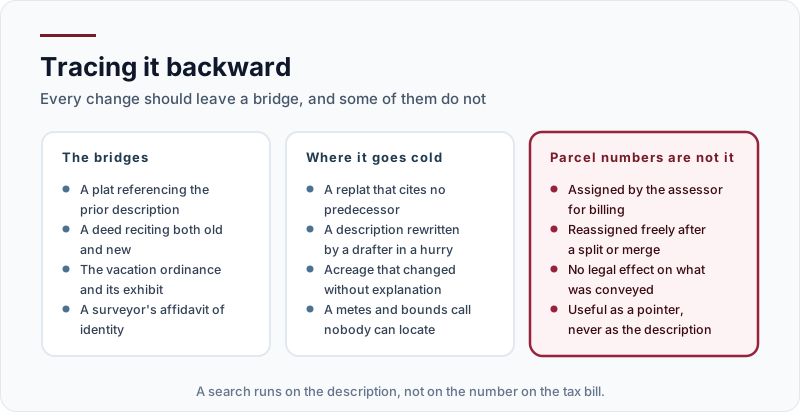
The bridges exist when somebody was careful. A plat that references the prior description. A deed reciting both the old and the new. The vacation ordinance with its exhibit. A surveyor’s affidavit of identity establishing that two descriptions cover the same land.
Where it goes cold is equally predictable. A replat citing no predecessor. A description rewritten by a drafter working quickly. Acreage that changed between two instruments with no explanation anywhere. A metes and bounds call referencing a monument nobody can locate now — the problem in when the record and the ground disagree.
One substitution people reach for and should not is the parcel number. Assessor parcel numbers are billing identifiers, assigned for the convenience of the tax office, reassigned freely after a split or merge, and carrying no legal effect on what any deed conveyed. They are a useful pointer and they are never the description.
The same caution applies to the street address, which is assigned by a municipality or a postal authority and changes for reasons that have nothing to do with ownership. A property can acquire a new address because a road was renamed or a numbering scheme was revised, and the deed will say nothing about it.
What to hand over
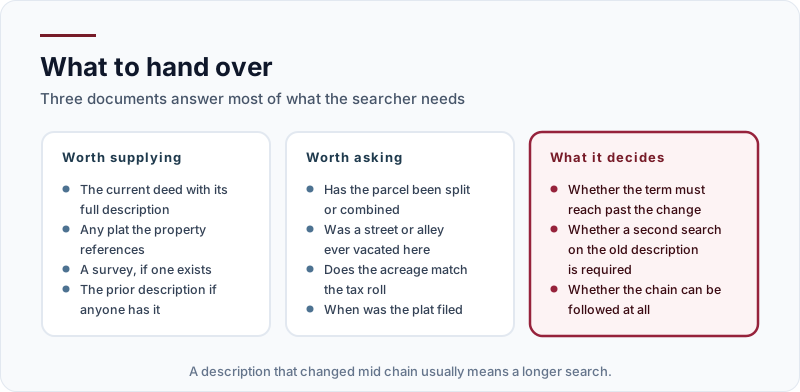
Three documents answer most of what a searcher needs. The current deed with its full description rather than a summary. Any plat the property references. A survey, if one exists.
Four questions are worth asking before ordering. Has the parcel been split or combined. Was a street or alley ever vacated adjoining it. Does the deeded acreage match the tax roll. When was the plat filed.
The answers decide the scope, and that is why they matter. A description that changed mid-chain generally means the term has to reach past the change, and sometimes it means a second search on the old description as well. Neither is expensive if it is planned. Both are expensive if discovered afterwards, which is the general point made in what a search needs from you.
The takeaway
Descriptions are rewritten more often than people assume, the rewriting is usually recorded somewhere, and the connecting document is the one most likely to be missing. Give the searcher the plat and the acreage, and say whether anything was ever split, merged or vacated. Find the property that runs your search, or tell us what you are trying to establish and we will scope it before anything is ordered.