

· AFX Research, LLC
A Search Report, an Abstract or a Title Opinion, Which One
Three deliverables get called the same thing and make different claims. What each one asserts, who is allowed to issue it, and how to work out which you actually need.
People ask for a title search and mean one of at least three things. Sometimes they want to know what is recorded against a property. Sometimes they need a formal digest of every instrument in the chain. Sometimes they want somebody to say, and be answerable for saying, who owns it. Those are different products with different prices and different people behind them, and picking the wrong one is the commonest avoidable delay in this work. It is a close cousin of choosing the right search in the first place.
Three things people ask for
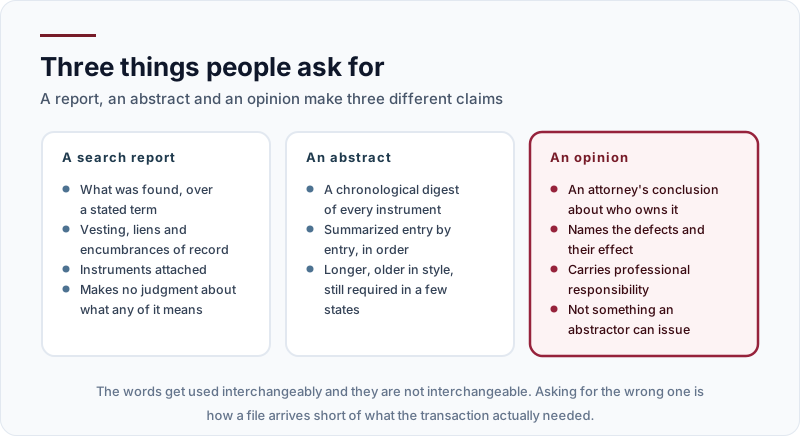
A search report states what was found. Current vesting, the liens and encumbrances of record, the instruments attached, and the term and the indexes the search covered. It is a factual account with a scope attached, and it deliberately makes no judgment about what any of it means.
An abstract of title is older in form and heavier. It digests every instrument in the chain in chronological order, entry by entry, so a reader can follow the whole history without pulling the documents. A few states and some lenders still require one, and outside those situations it is usually more than the transaction needs. Length is not thoroughness, and a longer document searched over a shorter term answers less than a brief one searched properly, which is why the term searched matters more than the format.
A title opinion is an attorney’s conclusion. It says who holds title, names the defects and explains their effect, and the lawyer who signs it carries professional responsibility for having been right. No amount of thoroughness converts a search into one.
Who can issue which
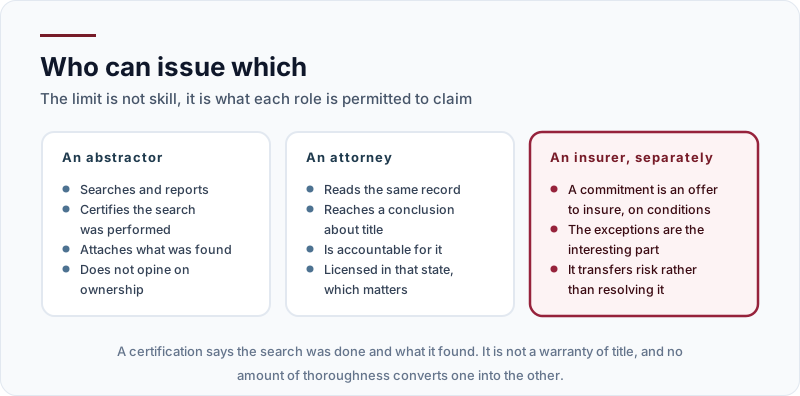
The limit here is not skill and it is worth being plain about that. An abstractor searches, reports, certifies that the search was performed and attaches what was found. That certification says the work was done and what it produced. It is not a warranty of title, which is the same distinction drawn in what a certified copy actually proves.
An attorney reads the same record and reaches a conclusion, and is accountable for it. That accountability is the entire product, and it requires a license in the state where the land sits rather than in the state where the client sits.
A title insurer is a fourth thing again. A commitment is an offer to insure on stated conditions, and the exceptions are the interesting part of the document. It transfers risk rather than resolving anything, which is why a property can be insurable and still carry a problem somebody will have to deal with eventually.
Which one to ask for
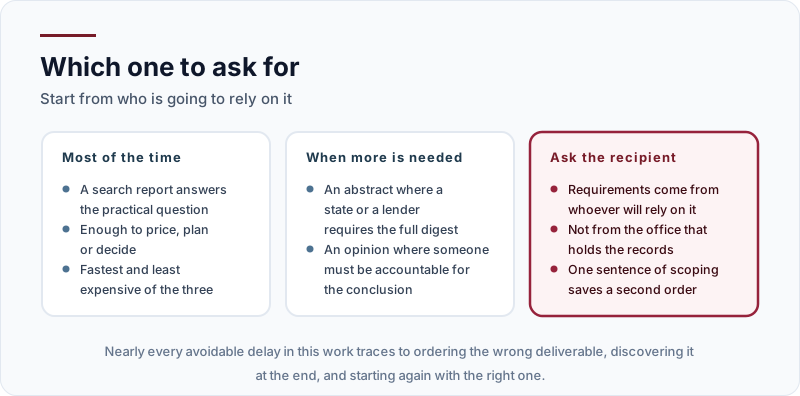
Most of the time a search report is the right answer. It establishes the factual position well enough to price a deal, plan a project or decide whether to keep going, and it is the fastest and least expensive of the three.
Go further when something specific requires it. An abstract where a state’s practice or a particular lender demands the full digest. An opinion where somebody has to be answerable for the conclusion, which is common on commercial acquisitions, on mineral title, and anywhere the chain has a defect that needs characterizing rather than merely reporting.
The practical rule is the same one that governs certified copies. Ask whoever is going to rely on the document what they actually require, before ordering. Requirements come from the recipient rather than from the office that holds the records, and one sentence of scoping regularly saves a second order and a fortnight.
The takeaway
Say what you need the document to do rather than naming the product. If the answer is “I need to know what is on the property”, that is a search report. If it is “somebody has to be accountable for the conclusion”, that is a lawyer. If it is “my lender said to send an abstract”, ask them what they mean, because roughly half the time they mean a search report. Find the property that runs your search, or tell us what you are trying to establish and we will point you at the right one before anything is ordered.